

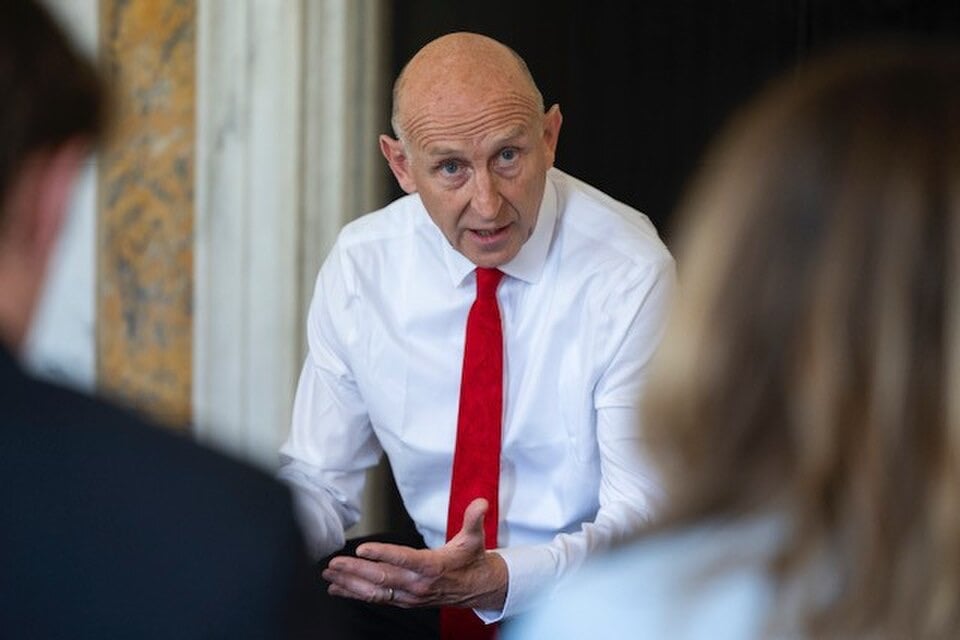
Chancellor John Healey will announce the plan at Wednesday’s Budget. The Treasury expects fewer than 250,000 people and firms to be affected each year, not all 4.8 million who owe less than £10,000.
Tax-dodging individuals and businesses may soon have money automatically taken from their bank accounts, according to reports. The crackdown targets an estimated 4.8 million people and firms who owe less than £10,000 in tax, around £4bn in total. The average unpaid bill among individual taxpayers is reportedly £950. Not everyone in this group is deliberately avoiding tax, and a lack of awareness explains some unpaid bills.
What is reported
At present, HM Revenue and Customs (HMRC) can recover money directly only if a taxpayer owes more than £1,000 and is left with at least £5,000. According to The Times, that £5,000 figure will be cut to a few pounds in plans due to be announced at the Budget on Wednesday. Officials would also be able to recover outstanding fines and interest. Tax officials could then deduct payments from current and savings accounts automatically, without a court order.
HMRC is also reportedly considering using credit reference agencies to assess what those targeted can afford to repay. Previous proposals suggested deductions could be capped at 50% of disposable income. Anyone affected would reportedly be responsible for challenging the decision.
Critics say vulnerable people could lose money because of administrative errors, illness or missed letters. Dan Neidle, founder of Tax Policy Associates, warned that automated systems could struggle to tell deliberate non-payment from genuine difficulty. A senior government source told The Times there would be “rigorous” protections for vulnerable groups.
How many people would be affected
The Treasury told Parliament that fewer than 250,000 individuals and companies are expected to fall within the scheme each year once it is fully operating. An even smaller number would enter an automatic instalment plan. Treasury minister Dan Tomlinson said the final policy had not been decided and that a full impact assessment would follow if legislation were introduced. More than 750,000 lower-value debts worth over £2bn are returned to HMRC every year by debt collection agencies after unsuccessful collection attempts, which the plan aims to address.
What the consultation proposed
HMRC’s consultation, published on 23 June and closed on 28 August, set out proposals that remain unenacted:
- removing the fixed £5,000 minimum balance and instead using estimated disposable income and affordability checks
- capping repayments at 50% of disposable income, meaning funds left after essential spending, not 50% of gross pay or savings
- taking monthly deductions instead of one large withdrawal
- trying to contact taxpayers more than ten times, with advance notice and a final chance to settle or agree a repayment plan
- covering debts across taxes including Income Tax, VAT and National Insurance, with an expected ceiling of £10,000 including interest and penalties
HMRC acknowledged that automated affordability checks would be imperfect, and asked how decisions could be challenged or suspended. A separate proposal to make some VAT and PAYE payments by Direct Debit is a different measure aimed at preventing late payment.
Existing powers
HMRC already has Direct Recovery of Debts powers that extend to cash ISAs. For joint accounts, it normally assumes equal ownership, so a two-person account is initially treated as half each. Under the present system there is a 30-day window to object, on grounds including debt already paid, mistaken ownership, exceptional hardship or money belonging to a third party. Unsuccessful objections can be appealed to a county court in England and Wales. HMRC used the powers only 19 times in the two years before the pandemic, paused them during Covid, restarted them in a controlled trial in September 2025 and widened use from April 2026. It says nine in ten agreed Time to Pay arrangements are completed.
The scale of the debt
The National Audit Office said on 23 October that HMRC was owed £43.8bn at the end of 2025-26. HMRC estimates that 46% of it, about £20.1bn, may never be collected. Unpaid tax is 4.7% of total receipts, down from 5.6% in 2022-23. Debts over a year old and not covered by repayment plans have risen from £5.3bn before the pandemic to £18.6bn. Reforms since 2021 raised an extra £10.7bn at a cost of £368m, which is not evidence the new scheme will do as well. HMRC dealt with £103.6bn in newly arising debt in 2025-26, roughly double the pre-pandemic annual average.
