
U.S. Soccer to Invest $100M World Cup Windfall in Game Growth
Sports
December 27, 2025 15:00
united states - The U.S. Soccer Federation plans to use the $100 million earned from co-hosting the World Cup to boost soccer participation levels and accessibility across the country.
U.S. Soccer's $100M Investment Strategy
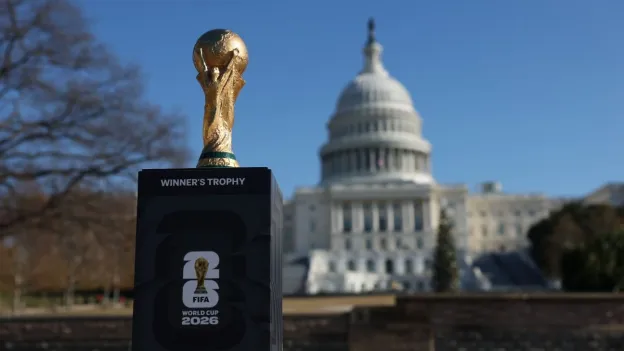
The U.S. Soccer Federation expects to receive $100 million from co-hosting the 2026 FIFA World Cup. This windfall will be pivotal in expanding the reach of soccer and making the sport more accessible throughout the nation.
Historic Context: 1994 vs. 2026
In 1994, the USSF generated a surplus of $51 million from hosting the World Cup, which was instrumental in the inception of Major League Soccer. Adjusted for inflation, that amount is equivalent to $131 million today. The upcoming 2026 edition will see a more centralized organizational structure by FIFA, impacting revenue distribution.
Empowering Soccer Growth
USSF CEO JT Batson aims to position soccer as the most played sport in the U.S. To achieve this, the Soccer Forward foundation will utilize the $100 million to drive targeted initiatives that enhance participation and access to the game, particularly for underprivileged children. The ultimate goal is to establish a substantial endowment dedicated to fostering soccer growth.
Challenges and Coalition Building
Expanding soccer's footprint across a diverse and vast population requires collaboration with various stakeholders, including professional leagues, youth clubs, and local governments. The USSF's 'Soccer Everywhere For Everyone' initiative emphasizes a pathway from recreational to professional soccer, aiming to engage and retain participants in the sport.
Building on successful models from other social initiatives, the USSF is focused on storytelling and community engagement to drive interest and support for soccer programs. By replicating impactful initiatives like the Soccer at Schools program, the Federation aims to create lasting positive changes in communities nationwide.
Infrastructure and Sustainability
Infrastructure development, such as indoor fields in colder regions and mini-pitches in urban areas, is crucial to accommodating the growing demand for soccer facilities. Collaborative efforts with organizations like the Local Initiatives and Support Corporation are key to executing sustainable projects that benefit underserved communities.
The USSF's involvement in these projects, along with its coalition-building efforts, will determine the success of its ambitious vision to leverage the $100 million World Cup windfall for the long-term growth and accessibility of soccer in the United States.


Leave a comment