
Haitian and Senegalese World Cup Fans Affected by Trump's Visa Restrictions
Sports
February 19, 2026 19:49
united states - Haitian and Senegalese communities in the U.S. face travel bans ahead of the 2026 FIFA World Cup, impacting their ability to support their national soccer teams.
Haitian and Senegalese World Cup Fans Affected by Visa Restrictions
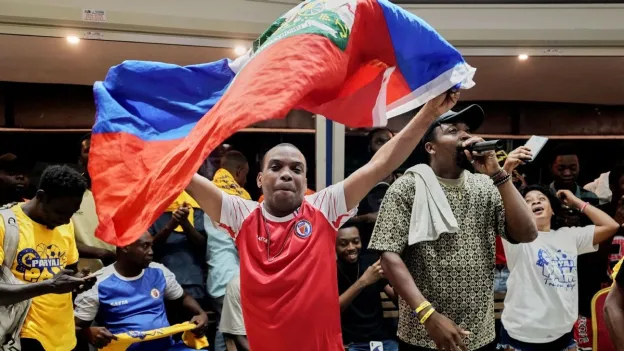
Haitian and Senegalese communities in the U.S. are grappling with President Trump's visa restrictions as their national soccer teams qualify for the 2026 FIFA World Cup. Despite the achievements of these teams, citizens from Haiti, Senegal, Ivory Coast, and Iran face significant travel bans under the current administration's policy.
Impact on World Cup Participation
The Trump administration's expanded visa-issuance suspensions have raised concerns among the affected communities, preventing them from traveling to the U.S. to support their teams. The policy, aimed at enhancing national security, has led to calls for exemptions for World Cup attendees but faces resistance from the government.
Potential Advocacy and Challenges
New York City Mayor Zohran Mamdani has expressed intentions to appeal for travel exceptions for the World Cup attendees. However, the administration's firm stance on visa restrictions poses challenges for affected countries and their citizens.
Criticism and Responses
The visa restrictions have been criticized for their discriminatory nature, with concerns raised by Democrats and human rights organizations. The Trump administration's approach to immigration vetting and the impact on international events like the World Cup have sparked debates and calls for reconsideration.
Global Perspectives and FIFA's Role
International organizations, including FIFA, have been urged to advocate for exemptions to the travel ban for World Cup participants. The need for a balanced approach to security measures and inclusivity in sporting events like the World Cup remains a point of contention among stakeholders.
As the 2026 FIFA World Cup approaches, the implications of visa restrictions on fan participation and the broader message it sends about inclusivity and diplomacy continue to be topics of discussion and concern.

Leave a comment