Breaking News
December 13, 2025 - Mohamed Salah Shines in Liverpool's Win Against Brighton Amid Transfer Rumors December 13, 2025 - Premier League Live Updates: Liverpool vs. Brighton, Chelsea vs. Everton December 13, 2025 - Chelsea Leading Race to Sign AZ Alkmaar Wonderkid Kees Smit December 13, 2025 - Soccer Statues: Messi, Ronaldo, Beckham Among Best and Worst Tributes December 13, 2025 - Thomas Frank Vows Tottenham Signings in January Transfer Window December 12, 2025 - Weekend Preview: Salah Drama, Tyne-Wear Derby, and More Exciting Football Matches December 12, 2025 - David Silva Reveals Turning Down Inter Miami Offer After Manchester City Exit December 12, 2025 - Mikel Arteta Rules Out Gabriel Jesus Exit from Arsenal in January December 12, 2025 - Erling Haaland's Pursuit of Alan Shearer's Premier League Goal Record: Challenges Ahead December 12, 2025 - Arne Slot Addresses Mohamed Salah's Future at Liverpool
  • HotRecentNews.com
  • World
  • Politics
  • Sports
  • Entertainment
  • Science
  • Technology
  • Health
HotRecentNews.com
Menu
  • World

  • Politics

  • Sports

  • Entertainment

  • Science

  • Technology

  • Health

Home / Science / US Company Takes First Step Towards 'Reviving' Woolly Mammoth

US Company Takes First Step Towards 'Reviving' Woolly Mammoth
US Company Takes First Step Towards 'Reviving' Woolly Mammoth
No Comments 15
Facebook X
Science March 4, 2025 22:00

united states - Colossal Biosciences in the US aims to bring back the mammoth using advanced DNA technology, starting with a woolly mouse.

US Company Aims to Revive Mammoth

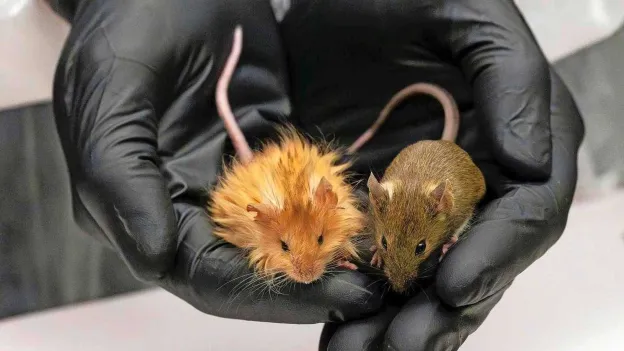
Colossal Biosciences dreams of bringing back the mammoth using DNA technology. They have created a mini-mammoth-like mouse as a first step towards this ambitious goal. Co-founder Ben Lamm calls it a significant validation point.

The researchers edited nine genes affecting coat color, hair length, and pattern in mouse embryos, resulting in some mice developing long, woolly hair. Two of these genes were previously found in mammoths. The next logical step would be experimenting on elephants, as they are in the same family as mammoths, but this poses greater challenges.

Paleontologist Victoria Herridge highlights the complexity of constructing mammoth-like elephants due to the many unknown genes involved. Lovell-Badge from Francis Crick Institute questions the genetic modifications' impact on behavior and suggests focusing on preventing extinctions rather than reviving extinct species.

NEW Researchers Find 'Compelling Evidence' of Possible Noah's Ark Remains

Leave a comment Cancel

reload

Trending Now

  • Today
  • Yesterday
  • Month
  • Comments
  • 1

    Man Utd Target Antoine Semenyo in January Transfer Rumors

    December 15, 2025
  • 1

    Arsenal's Title Aspirations Questioned: Pressure Handling Key to Premier League Success

    December 14, 2025
  • 2

    Real Madrid Targets Man United's Dalot in Transfer Move

    December 14, 2025
  • 1

    Trinity Rodman's Future Uncertain as Contract Talks with NWSL Commissioner Intensify

    November 15, 2025
  • 2

    Scott McTominay's Bicycle Kick Thrills Scotland Fans in World Cup Qualifier

    November 19, 2025
  • 3

    2026 World Cup Playoff Draws: Predictions and Reactions Revealed

    November 20, 2025
  • 4

    Sunderland vs. Bournemouth: English Premier League Match Analysis

    November 29, 2025
  • 5

    Argentina, Brazil, and CONMEBOL's Chances in 2026 World Cup Draw

    December 8, 2025
Hot Recent News
The HOTRECENTNEWS.com is not responsible for the content of external sites.

SEARCH

  • World News

Back to Top