
Evolution from Managers to Head Coaches in Premier League Clubs
Sports
January 27, 2026 11:30
- Premier League clubs transition from traditional managers to head coaches due to corporate structures and modern business practices. Learn why legendary clubs like Arsenal and Man United adapted.
Evolution from Managers to Head Coaches in Premier League Clubs
Premier League clubs have shifted from traditional 'managers' to 'head coaches' due to corporate growth and financial pressures. Legendary clubs like Arsenal and Man United have adapted to modern business practices.
The Rise of Corporations in Football
Over the years, Premier League clubs have transformed into corporations, focusing on revenue generation and financial sustainability. Owners now seek diversified investments and profitable returns, altering the traditional managerial roles.
Decline of Managerial Power
Managers or head coaches in football have seen a decline in power and influence. Clubs now prefer structured decision-making processes involving analytics, medical staff, and scouting teams, reducing the sole authority of the coach.
The New Future of Premier League Management
Top clubs are moving towards collaborative decision-making models, where coaches work within a hierarchy of sporting directors and ownership representatives. This shift aims to optimize performance and streamline operations, aligning with corporate practices.
Impact on Success and Identity
While the new approach offers efficiency and specialization, it has led to challenges in developing a cohesive team identity. Success under the old manager-centric model contrasts with the current struggles faced by clubs implementing complex decision structures.
Transition at Arsenal
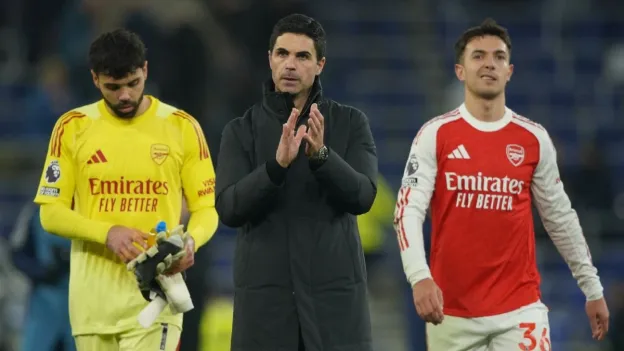
Arsenal's transition from Arsene Wenger to Mikel Arteta exemplifies the shift from manager to head coach. With an expanded operations staff, the club emphasizes a collective decision-making process over individual control.


Leave a comment